
Instructional Modules Ready: Cash or Crash Live Training for UK

UK players who want to grasp the rapid, volatile action of Cash or Crash Live often find that a bit of organized learning goes a long way. Training modules for this live game show don’t promise handing you a magic formula for winning—no truthful guide would ever do that. Instead, they’re about giving you a thorough grasp of how the game works and how to tackle it. The notion is to shift from just observing the rocket fly to playing with a degree of purpose. You absorb the rules, develop a sense for the risks, and figure out how to select options that fit your style, all while maintaining the basics of secure play at the forefront. This article walks through what proper training for Cash or Crash Live should cover, specifically for players in the UK.
Comprehending the Fundamental Mechanics of Cash or Crash Live
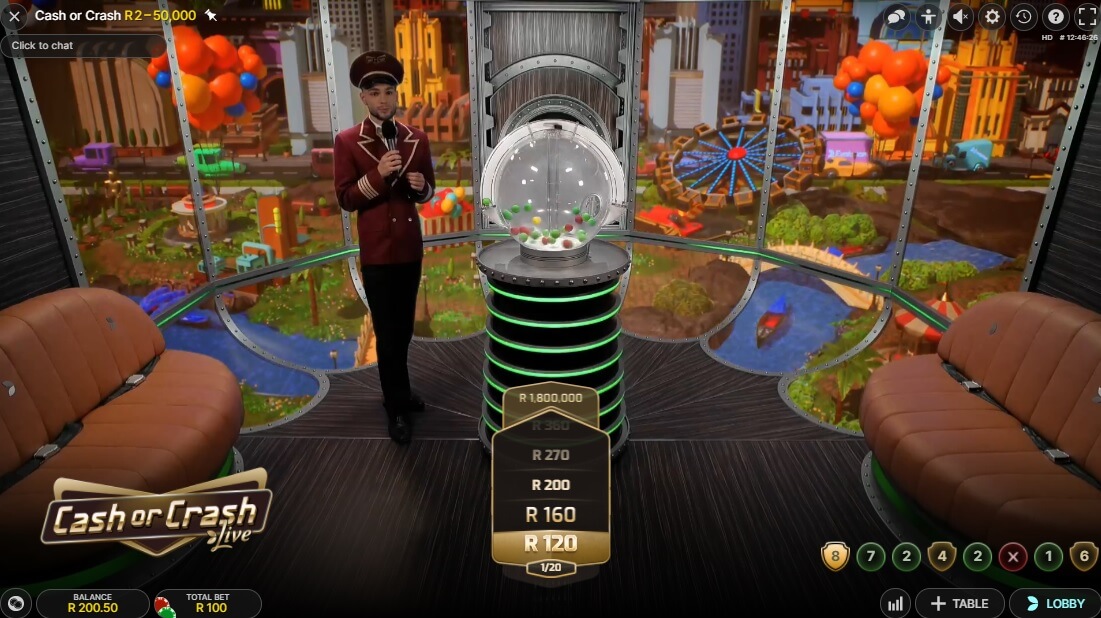
Starting with the fundamentals is key. Understanding the basic workings of Cash or Crash Live is the vital first step. A live host runs the game, where a rocket ship climbs through a field of multipliers. You set your bet before it launches. As it flies, you are presented with a choice: hit ‘cash out’ to secure the current multiplier, or let it ride for a greater potential payoff. The catch is that a crash point is randomly set at the start of each round. If the rocket explodes before you cash out, you give up your bet. Good training material will break down the screen layout, clarify the random number generator behind the crash, and describe what the host actually does. One key takeaway is that the crash multiplier is set as soon as the round kicks off. This fact alone resolves a lot of misunderstanding about attempting to predict the game in real time.
The Function of the Live Presenter and Game Interface
The presenter is there to entertain, sure, but they also direct the game. Training helps you recognize their cues and follow the rhythm of a round. Every element on the display gives you information: the climbing multiplier, the cash-out button, the list of past rounds. A large part of learning the game is achieving such comfort with this layout that you don’t have to think about it. When you’re comfortable with the environment, you can concentrate your brainpower on the tactical decision of when to Cash Or Crash Live Ios out, instead of struggling for buttons while the rocket zooms upward.
Leveraging Demo Play and Simulation Tools
Learning about strategy is one thing. Applying it is another, and the ideal place to start is with free demo modes. Plenty of UK casinos that offer Cash or Crash Live offer a ‘play for fun’ option using fake credits. Any valuable training will tell you to camp out in this mode for a while. It’s your risk-free lab. You can experiment with different cash-out tactics, understand managing a virtual bankroll, and learn the game’s tempo without spending a penny. You’re able to mess up and learn from it. A reliable guide will point you to these demos and offer you specific drills. It might ask you to play a session using a strict 2% bet rule, or to practise a three-stage partial cash-out plan over twenty demo rounds.
Establishing a Base with Money Management
If you only pay attention to one part of preparation, make it bankroll management. This is the cornerstone of participating in any swinging game sensibly, and Cash or Crash Live undoubtedly qualifies. No clever tactic will shield you from bad money habits. A solid module on this topic covers setting a firm loss limit before you enter, determining a allocation for your session, and adjusting your bets correctly. The key principle is to hold bets sufficiently low that a run of bad luck won’t destroy your finances or lead you to trying to recoup losses. Many players use the percentage method, where you always limit your risk to a minor fraction of your session fund on a one round. This approach accounts for the game’s natural variance and enables you to play again another time, regarding it as a funded pastime rather than a financial gamble.
- Set Absolute Limits: Determine the maximum you’re ready to lose in one session, and do not go beyond that limit.
- Use the Percentage Rule: Limit your bet to between 1% and 5% of your session bankroll to reduce the ups and downs.
- Separate Winnings: When you achieve a solid win, consider saving a portion so it isn’t all returned into the game.
Focusing on Responsible Gambling in Your Approach
Real training for this game is built on responsible gambling foundations. This isn’t a minor point. It’s the bedrock. A well-designed module details the effective tools every UK player has access to, like deposit limits, time-out options, and the GAMSTOP self-exclusion system. It argues that playing responsibly is in fact a competitive edge. A calm head that isn’t anxious about money will result in better decisions. The training should highlight that gambling is a kind of entertainment you pay for, not a cash source. It also should cover the warning signs of problematic behaviour: trying to win back losses, being untruthful about time or money spent, or playing when you’re distressed. Spotting these red flags is a key skill for looking after yourself, which is the surest way to enjoy the game for the long run.
- Employ Every Accessible Tools: Don’t merely mull over limits. Establish them in your casino account before you begin.
- Schedule Your Sessions: Plan how long you’ll play and stick to it. Refrain from playing when you’re fatigued or anxious.
- Recognise the Red Flags: Be truthful with yourself if your actions is changing, and step away or use a time-out right away.
Elite Tactical Concepts and Pattern Recognition
Each spin is separate, but gamblers can still look for general trends to help frame their choices. This is not prediction. It involves observing the game’s flow and regulating your emotions. For instance, after a few rounds where the rocket crashed at very low multipliers, many players may choose to play it safer, believing a higher multiplier may be imminent (although this isn’t a certainty). Advanced lessons may examine the mental game at the table. It enables you to identify when you’re tempted to chase a loss, or when you feel a pang of FOMO as the multiplier skyrockets above your normal cashing threshold. The goal here is to create a disciplined approach that sidesteps usual cognitive errors, that are typically the fastest route to a drained balance.
- Past Data as Reference, Not Forecast: The game’s history shows you the game’s volatility, rather than predicting outcomes.
- Implement a Partial Cash-Out Strategy: Locking in profits at small multipliers reduces your total risk exposure.
- Identify Emotional Triggers: Master detecting when you’re acting on impulse instead of your planned approach.
Analysing Risk: The Cash-Out Decision Matrix
Every aspect in Cash or Crash Live culminates in that one moment: cash out or let it ride. Training converts this from a pure guess into a considered choice. You start to weigh risk against reward at different multiplier levels. Cashing out at a low multiplier like 1.2x is very likely to succeed, but the payout is small. Holding out for 5.0x offers a much bigger prize, but the chance of crashing before you get there is far higher. Players understand ‘expected value’ over many rounds, while also recognizing that each launch is its own isolated event. Training often advises setting up a personal ‘cash-out ladder’. This means deciding in advance to pull out parts of your bet at different multiplier targets. It’s a way to bank some profit early while still having a stake in the game for a later, bigger score.
Where to Discover Quality Training Resources
UK players in need of proper guidance possess a few options. Credible casino review sites and independent strategy blogs frequently publish detailed guides and video walkthroughs for Cash or Crash Live. The official game maker, Evolution, provides clear rules and demos too. But you have to choose your sources carefully. Steer clear of anything that claims ‘guaranteed wins’ or a ‘secret system’. That’s a sure sign of bad advice. The most reliable resources focus on education, probability, and bankroll management. You could also learn from other players by reading community forums dedicated to live casino games. Just be sure to take any anecdotal tips lightly, and always view them through the lens of safe play and the reality of random chance.
